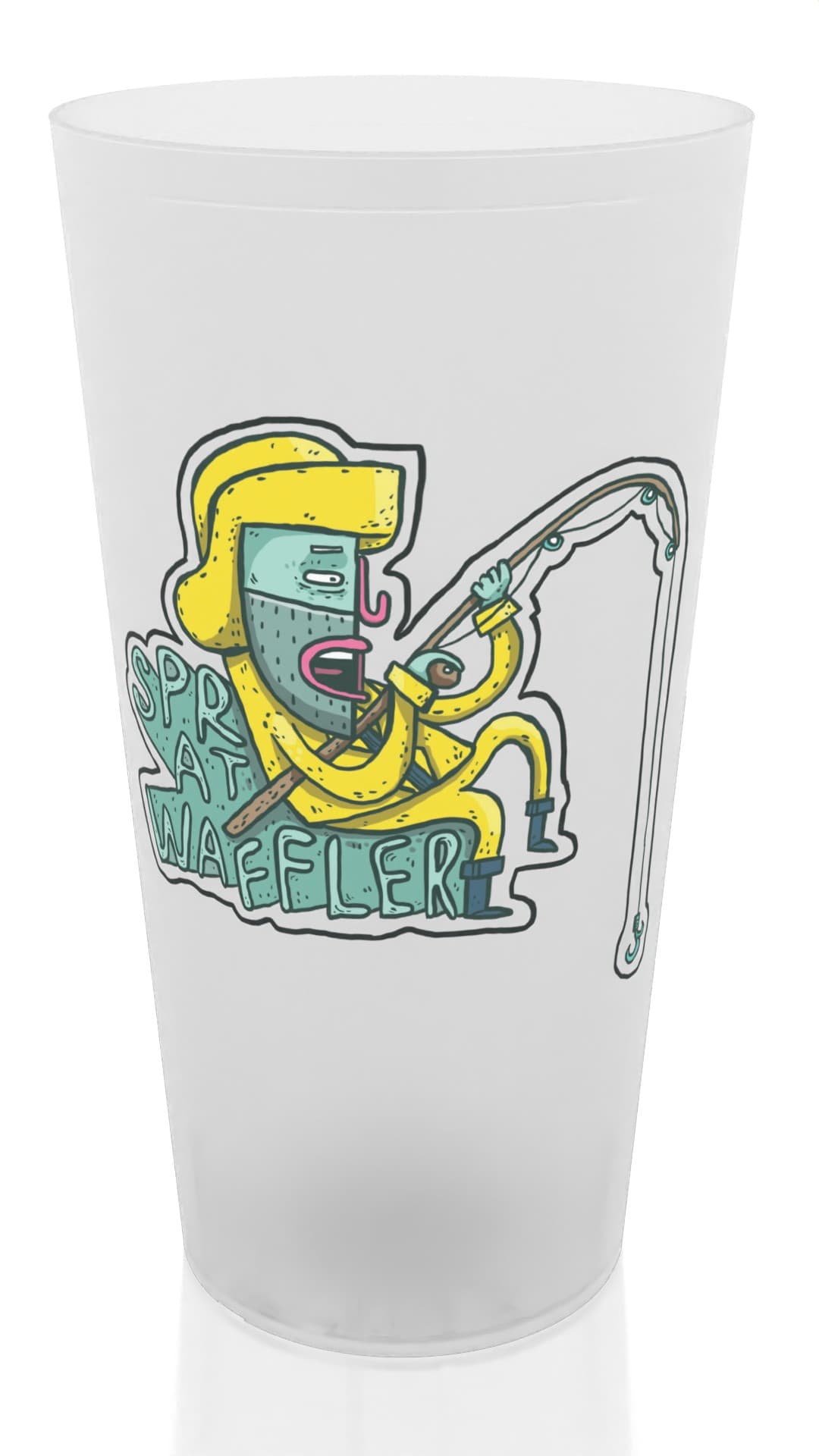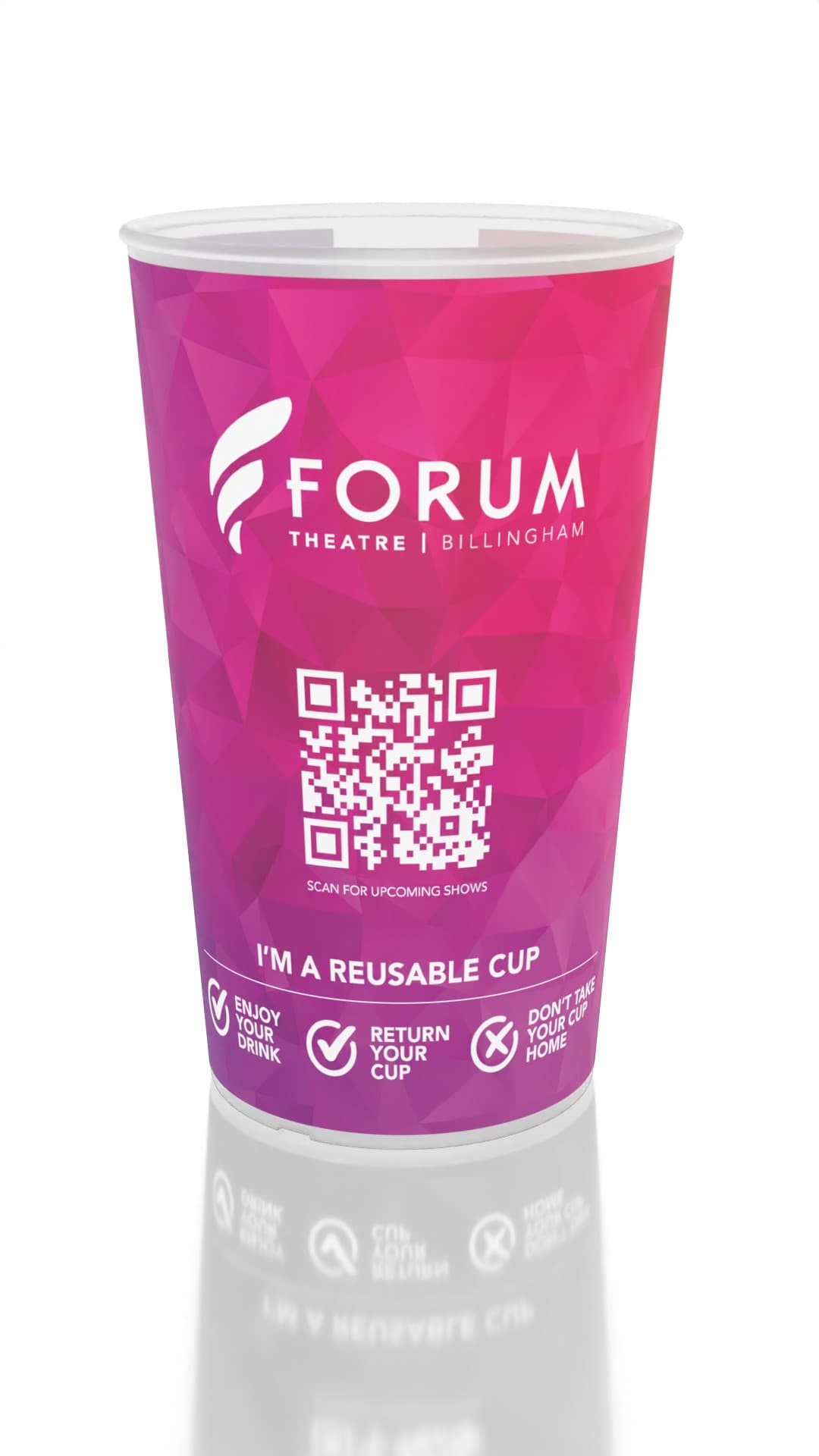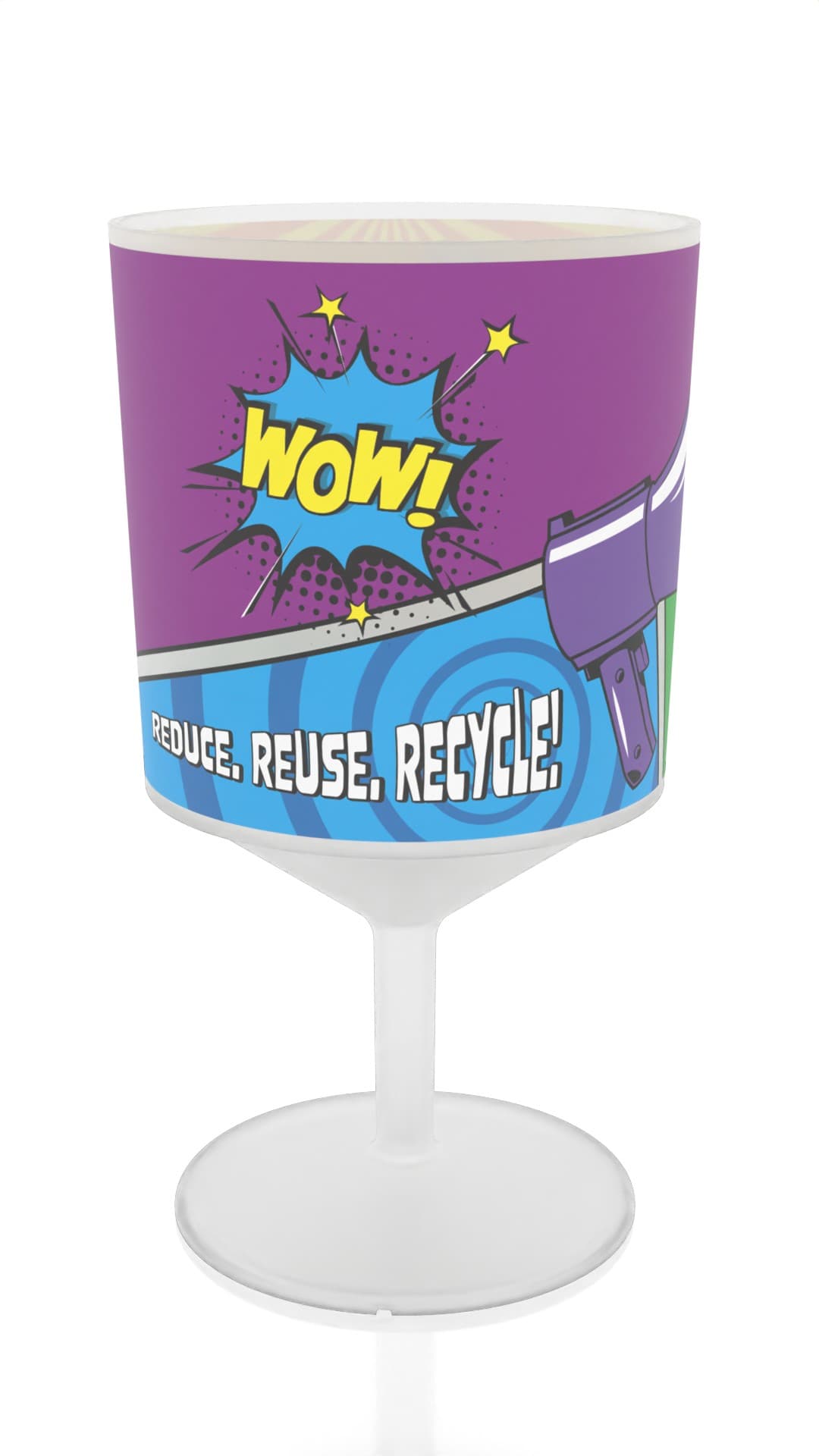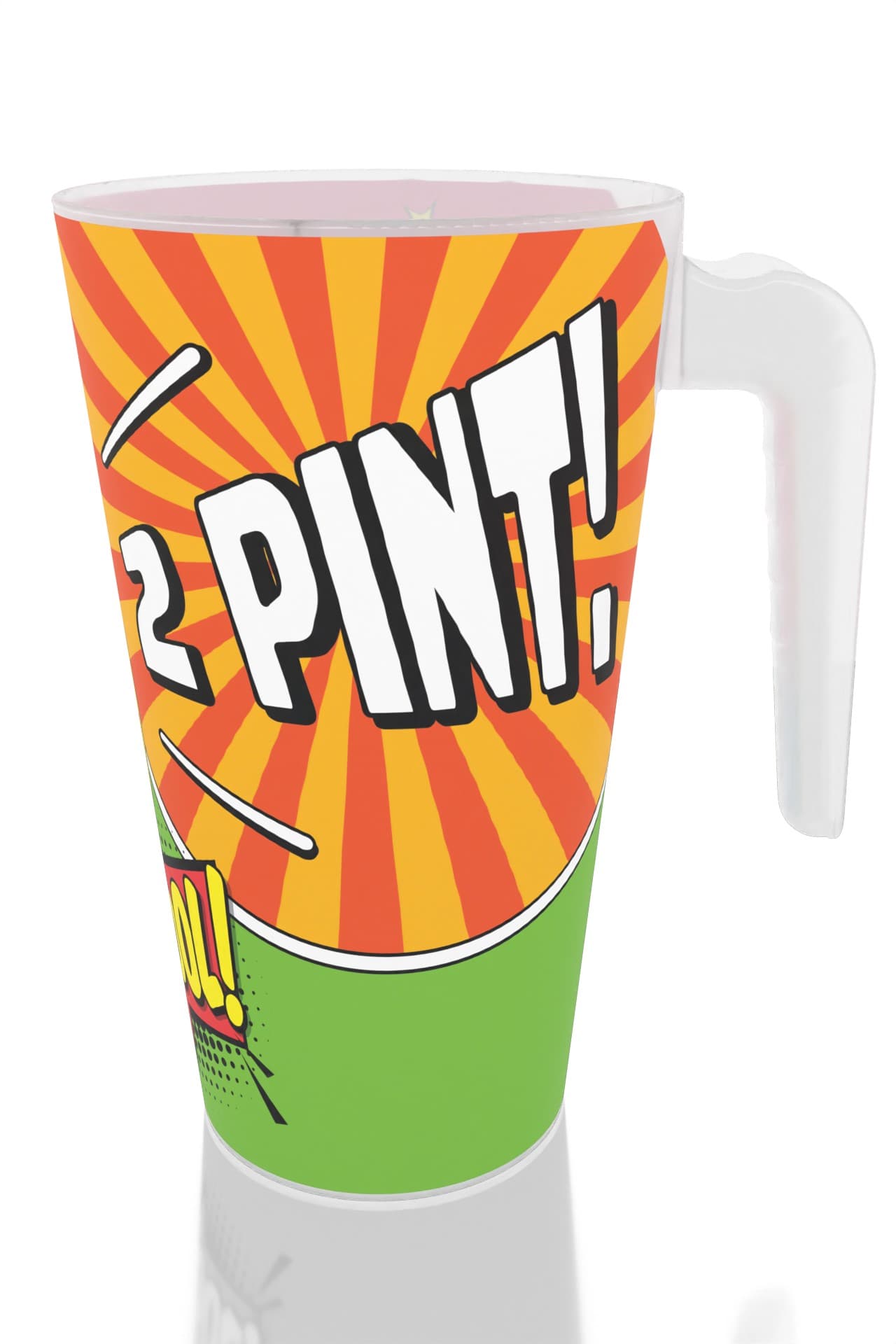
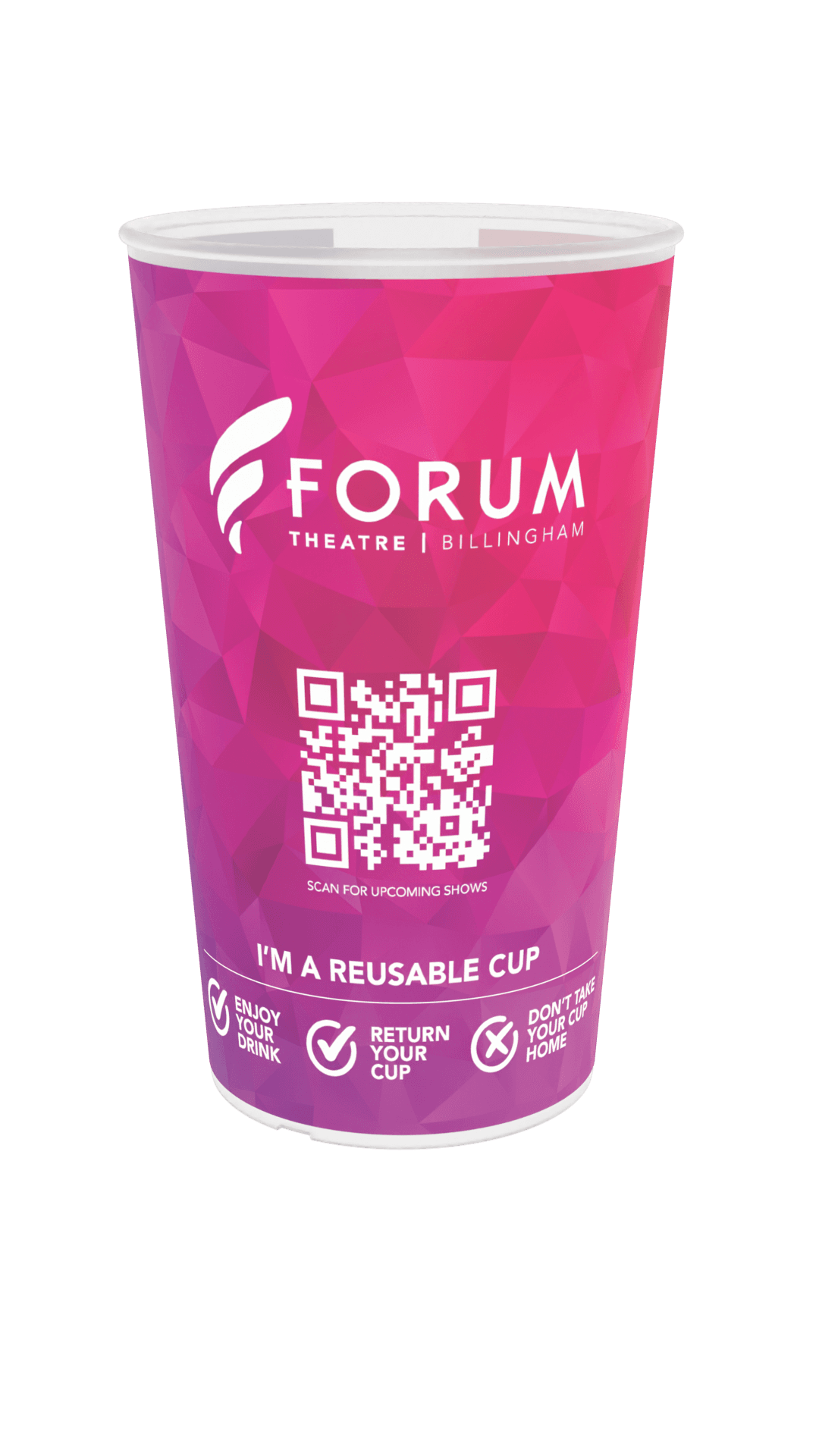

The scheme is the cup, not just the cup
A deposit-return scheme is what turns a reusable cup from a sustainability gesture into an actual operational system. Done well it pays for the cup inventory, removes 60 to 80% of the litter from your site, and gives you a closed loop that survives multiple events. Done badly it irritates guests, slows the bars and leaves you with a warehouse full of cups you cannot afford to wash. The difference between the two is mostly the operational detail.
Set the deposit at £2
Across the events we supply, deposit values cluster at £1, £2 and £3. The £2 number is the most reliable. £1 is too low: people forget the cup, throw it on the floor and shrug. £3 maximises return rate but lengthens redemption queues because guests treat £3 returns like a transaction. £2 is enough money to feel like real money, low enough to keep the redemption queue moving, and divides cleanly into pint pricing. Beer at £6, cup at £2, total £8 on the card.
The redemption maths that pay for the order
Take a 15,000-capacity weekend festival. You print 50,000 cups at, say, £0.55 per unit on the festival cups range. Cup buy is around £27,500. Deposit collected per cup is £2. Across 50,000 cups in circulation across the weekend, deposits collected sit somewhere around £100,000. If 65% of cups are redeemed, retained deposits land at £35,000. That covers the cup order with margin to spare, and you keep the cups for next year. Even at a more conservative 75% redemption (so only 25% of cups stay out as souvenirs or loss), retained deposits sit around £25,000, within a whisker of the order cost on year one, and the cups still belong to you for year two.
Redemption rate is the lever you control. Three things move it:
- Signage. Guests need to know there is a deposit, where to redeem, and how long the windows are open. Vague signage drops redemption by 10 percentage points.
- Redemption stations. Self-service token machines run faster than staffed bars. Mix them with a couple of staffed points for the awkward cases.
- Closing time. Keep redemption open for 30 minutes after the last bar closes. Closing it earlier means guests with cups in hand cannot redeem and either litter or take home.
The washing question
If you are running a multi-day event with deposit-return, you almost certainly need on-site washing. The maths only works if cups rotate. A trailer-mounted commercial dishwasher line can clean 5,000 to 10,000 cups per hour. For most festivals that pairs with a sort station, a pre-rinse and a stack-and-return chain back to bar staff. Without a wash line, you are running a single-trip scheme dressed up as deposit-return, which costs more and washes less.
For venues and breweries, on-site washing is much simpler. The kitchen dishwasher does the job overnight, and the cups go back behind the bar in the morning. Polypropylene cups handle commercial dishwasher temperatures comfortably and survive 200+ wash cycles. See our piece on cup lifespan for the detail.
What happens to the unreturned cups
Unreturned cups split roughly into three groups: souvenirs (most of the unreturned volume), loss to bins and ground, and breakage. Across our events, 20 to 35% of cups will not come back on a well-run scheme. That sounds high until you remember the retained deposit covers it many times over, and most of the lost cups end up as branded keepsakes that people use at home for the rest of the season. That is good marketing for whoever is on the cup.
Where to start a scheme
Three steps. First, decide your deposit value and lock it across the whole site. Second, model your circulation pool using the formula in our festival logistics piece. Third, brief your bar staff on the redemption flow before the gates open. Get those three right and the scheme will fund itself.
If you want a quote and a model in one go, ring 01642 615757 with attendance, days, drinks per head and your deposit value. We will turn around a circulation plan and a price within the same day.